Your Reference Landed on Nobody: Welcome to the Age of the Thousand Mainstreams
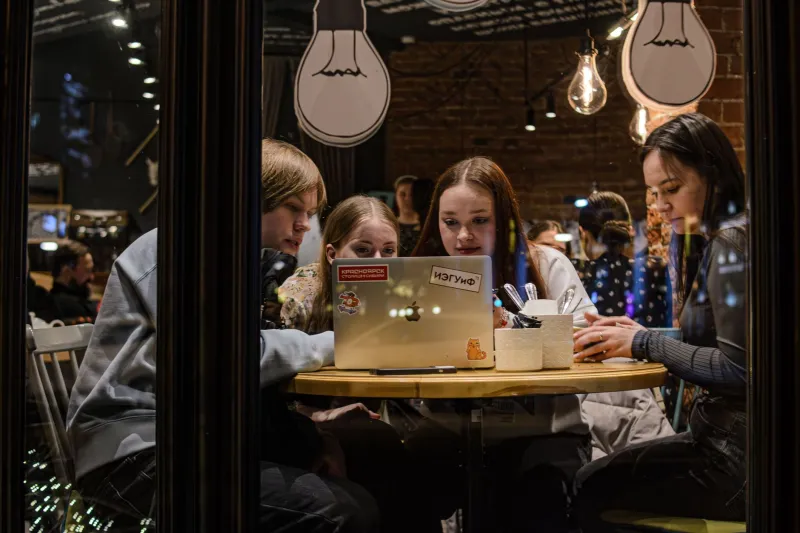
There's a specific social experience that has become so common it barely registers anymore: you're in a room full of people who all consider themselves culturally engaged, someone makes a reference, and it lands on exactly nobody. Not because the reference is obscure — it's from a show with millions of viewers and three seasons and a dedicated wiki — but because those millions of viewers are distributed across a landscape so vast and fragmented that the odds of any two people in a given room having watched the same thing have quietly collapsed.
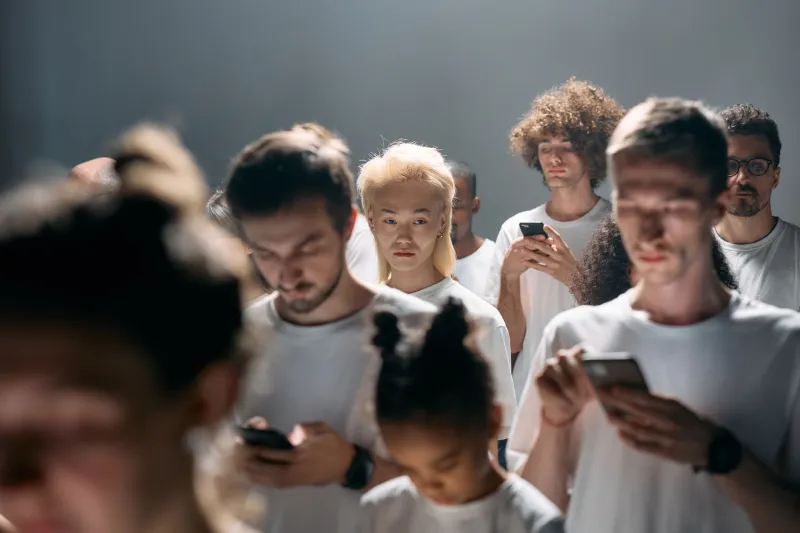
We are all watching. We are watching constantly. We are just watching completely different things.
How the Monoculture Died and Nobody Filed a Report
For most of American entertainment history, the concept of a shared cultural moment was structural. There were three networks. Then four. Then cable, which fractured things somewhat but still produced water-cooler television — shows so ubiquitous that opting out felt like a choice you had to justify. Seinfeld. The Sopranos. Lost. These weren't just popular; they were ambient. You absorbed them through cultural osmosis even if you didn't watch.
Streaming didn't just change the delivery mechanism. It fundamentally reorganized the social function of entertainment. When Netflix started dropping entire seasons at once, it dissolved the weekly communal ritual of appointment viewing. When the algorithm got good enough to serve each user a personalized recommendation queue, it began routing people away from the shared center and toward increasingly specific taste clusters. And when every major media company launched its own platform, the content library stopped being a shared public space and became a dozen different private rooms.
The monoculture didn't die dramatically. It just quietly subdivided until the pieces were too small to see from a distance.
The Upside Nobody Talks About Enough
Here's what actually happened on the other side of that fragmentation, and it's genuinely worth celebrating: communities that were previously invisible in mainstream entertainment built real, thriving homes for themselves.
Queer genre fiction fans. South Asian diaspora comedy audiences. Afrofuturism enthusiasts. Regional horror devotees. K-drama communities in the American Midwest that are larger and more organized than most people realize. These are not fringe populations consuming niche content — they are substantial audiences who were simply never served by the monoculture because the monoculture wasn't built for them. The economics of three-network television required maximum appeal to a demographic that was implicitly defined as white, suburban, and broad. Streaming's long tail made it profitable to serve everyone else.
The hyperspecific fandom isn't a symptom of cultural disintegration. In many cases, it's what cultural inclusion actually looks like when it arrives. The cost of that inclusion was the shared reference. Whether that's a fair trade is a genuinely complicated question.
What We Actually Lost
Shared cultural touchstones did something that's easy to underestimate until they're gone: they gave strangers something to talk about. Not in a shallow small-talk way, but in a way that created entry points into real conversation. A reference to a show you both watched was a handshake. It said: we have had at least one experience in common, and we can build from here.
Without those handshakes, the social work of connection gets harder. You have to establish more context before you can get to the interesting part. You spend more energy explaining the premise and less time actually discussing the thing. This is a minor friction in isolation, but it compounds. And it's particularly acute across generational lines — the gap between what a 28-year-old and a 52-year-old have both seen has never been wider, because the algorithm serves them completely different content ecosystems with almost no overlap.
This isn't nostalgia for a simpler time. The monoculture was exclusionary in ways that caused real harm. But it's worth acknowledging that something was also genuinely lost.
The New Literacy Nobody Taught Us
Navigating this landscape requires a skill set that didn't really exist twenty years ago: the ability to be conversant in multiple fandoms without being native to any of them. The culturally fluent person in 2024 doesn't necessarily watch everything — that's impossible — but they've developed a kind of meta-awareness of what's circulating in adjacent communities. They know the shows they haven't seen well enough to participate in conversations about them, which is a strange and slightly absurd competency to have developed.
This is what replaces the monoculture on a social level: a networked awareness of many small mainstreams, each with its own internal references and hierarchies and discourse. You don't have to live in all of them. But you have to know they exist and roughly what's happening inside them, or you start to feel the isolation of the truly disconnected — someone whose taste is real and genuine but invisible to everyone around them.
The Fandom Is the Culture Now
Maybe the most honest thing to say is this: the idea of the mainstream was always somewhat fictional. It reflected who had power in the entertainment industry more than it reflected what people actually wanted. The fragmentation didn't create diversity of taste — it revealed diversity that was always there, waiting for something to serve it.
What we're living through isn't the death of culture. It's a restructuring of how culture aggregates. Instead of one big river, we have thousands of streams, and the social challenge is figuring out which ones run near each other and where they might briefly overlap.
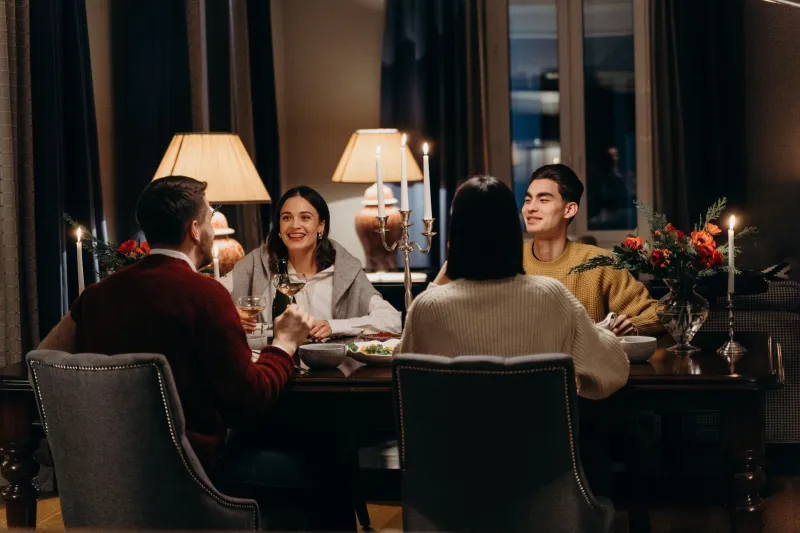
Your reference didn't land at dinner because you were speaking a dialect nobody else at the table had learned. That's frustrating. It's also kind of beautiful, if you're willing to look at it that way — a room full of people each carrying a completely different cultural world around inside them, waiting for the right question to open it up.