Confessional Mode: The Strange New Theater of Being Yourself in Public
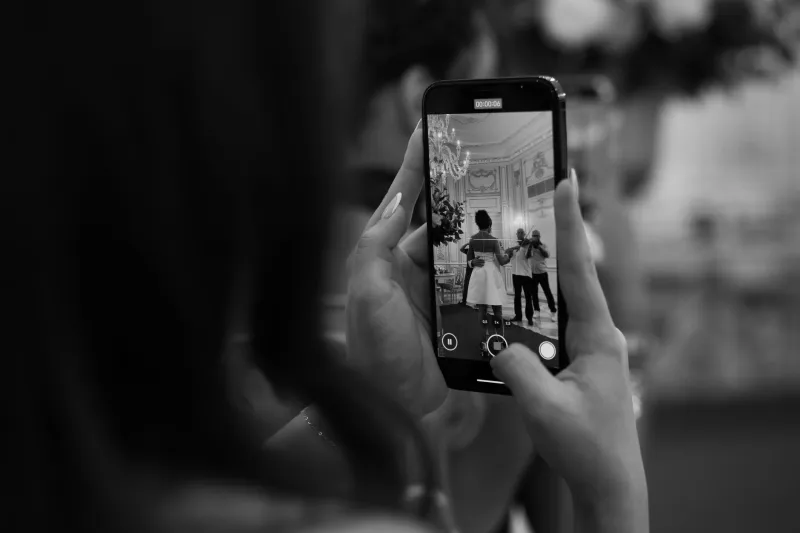
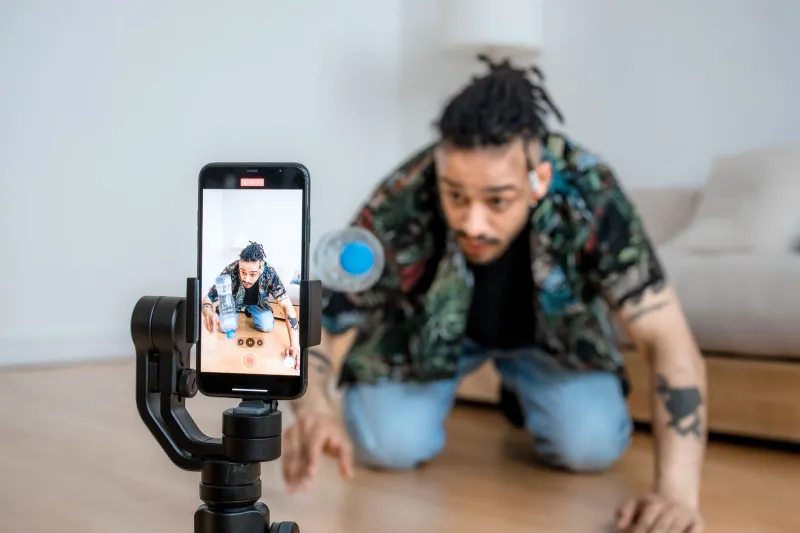
There's a specific kind of video that shows up in your feed every few days. Someone sits in a car—always the car, for some reason—phone tilted just slightly, lighting not quite right. They're crying, or they were crying, or they're about to cry. And they're telling you something true about themselves. Something real. Something raw.
You believe them. You probably should. And yet, somewhere in the back of your mind, a small, uncomfortable question forms: Did they hit record before or after they started crying?
This isn't cynicism. It's just what happens when authenticity becomes a genre.
The Market for Realness
We are living through a remarkable cultural moment in which the most coveted commodity isn't glamour or aspiration—it's sincerity. The influencer who built a following on flawless skin and immaculate apartments has been dethroned by the one who posts about her anxiety at 2 a.m. The celebrity who used to release carefully worded statements now goes on Instagram Live, unfiltered, to process grief in real time. Streaming platforms greenlight confessional docuseries faster than you can say I have something to say.
And audiences—us—eat it up. We reward it with engagement, with parasocial loyalty, with the particular warmth of feeling like we actually know someone.
But here's the uncomfortable math: once vulnerability becomes the strategy, does it stop being vulnerable? Once candor earns you followers, is it still candor?
Performing the Unperformed
The philosopher Erving Goffman wrote in the 1950s about how all social life is a kind of performance—that we're constantly managing impressions, presenting selves suited to different stages. He was talking about dinner parties and job interviews. He could not have imagined TikTok.
What social media has done is collapse all of Goffman's stages into one. There is no backstage anymore. Or rather, the backstage has become the main event. The mess, the tears, the half-eaten takeout in the background—these are no longer accidents. They are production design. They signal: This is the real me. The one I'm not performing.
Except, of course, you chose to film it. You chose to post it. You watched the numbers.
None of that makes the emotion fake. But it does mean the emotion is doing double duty—it's being felt and it's being leveraged. And when feeling and leverage happen simultaneously, something strange occurs in the space between them.
Celebrity Vulnerability and the New Confessional
Look at how celebrity culture has shifted. Ten years ago, stars maintained a certain protective distance—the curated magazine profile, the publicist-approved quote. Now the move is radical openness. Selena Gomez talking about lupus. Demi Moore writing about addiction. Prince Harry writing a memoir so unguarded it made half of Britain's tabloids short-circuit.
We've largely celebrated this shift, and there are good reasons to. Mental health stigma is real. Representation matters. When someone famous names their struggle, it gives language to people who couldn't find it themselves.
But there's a version of celebrity vulnerability that is also, undeniably, a brand strategy. The confessional documentary that drops right before the album. The breakdown that gets addressed just in time for the press tour. It's not that the pain isn't real—it's that the timing of its disclosure is never accidental. The infrastructure demands an audience, and the audience has been factored in.
The Authenticity Paradox
What we're dealing with is a paradox that has no clean resolution. True authenticity—the kind that exists before any audience, before any platform—can't survive being watched. The act of sharing changes it. And the act of sharing strategically changes it further.
This doesn't mean connection is impossible. It doesn't mean no one is ever genuine online. But it does mean we need a more honest vocabulary for what we're actually consuming when we consume someone else's realness.
Maybe what we're watching isn't authenticity at all. Maybe it's something more like sincerity theater—a performance that believes in itself, that is emotionally true to the performer even as it's shaped by the demands of an audience. That's not nothing. Theater can move you. Theater can matter. But it's worth knowing you're in a theater.
What We're Actually Hungry For
Here's the thing: the reason this content works, the reason we keep watching the car videos and the tearful livestreams and the celebrity confessionals, isn't because we're being duped. It's because the hunger underneath it is completely legitimate.
We want to feel less alone. We want evidence that other people's lives are as complicated and messy and unresolved as ours. We want connection that doesn't require us to perform our own polish. In a culture that spent decades selling us aspirational perfection, the turn toward messy honesty feels like oxygen.
The problem isn't the desire. The problem is that the same system that manufactured aspirational perfection has now learned to manufacture authentic imperfection. It's still manufacturing. The factory just retooled.
Finding the Real Thing
So where does that leave us? Probably somewhere more nuanced than either naïve belief or reflexive cynicism.
Perhaps the honest move is to stop asking whether something is authentic—a question that's become nearly unanswerable—and start asking what it's doing. Is this vulnerability building something real between people, or is it extracting emotional labor for engagement? Is the person sharing this growing from the disclosure, or performing growth? Does this conversation make you feel seen, or just observed?
Authenticity, in the end, might be less about purity and more about intention. The car video might be genuine even if the camera angle was chosen. The celebrity memoir might be true even if the publisher had a release window.
But staying awake to the theater of it—knowing that realness, too, has been turned into a product—is how you hold onto your own. The most radical thing you can do right now might be to have a conversation that nobody's recording. To feel something that never gets captioned. To keep some part of your inner life off the grid entirely.
Not because sharing is bad. But because some things stay truest when they stay yours.