Always On Stage: The Exhausting New Life of the Semipublic Self
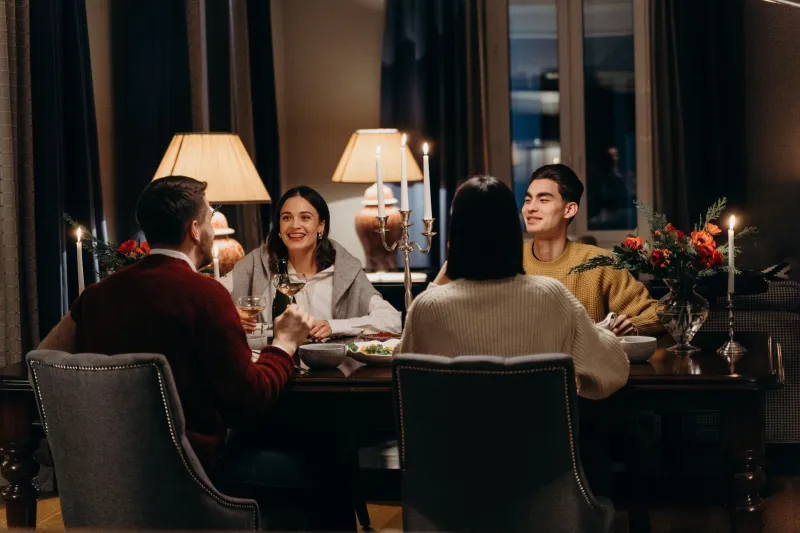
The parlor was a very specific invention. Not quite public, not quite private — a room in the house designed for receiving guests, for presenting the curated version of domestic life to people who mattered enough to be let inside but not quite close enough to see the rest. You kept the parlor clean. You kept it arranged. You performed ease in it, which is its own kind of labor.
We demolished the parlor as a physical concept sometime in the mid-twentieth century, when open floor plans and casual living became the architectural ideal. But the social function of it — that particular, exhausting performance of controlled intimacy — never went anywhere. It just migrated. And now it lives in your phone, your Discord server, your Tuesday morning spin class, and your Instagram Stories that you tell yourself nobody really pays attention to.
Spoiler: they do. And you know they do. That's the whole point, and it's making us quietly miserable.
The Group Chat That Isn't Really Private
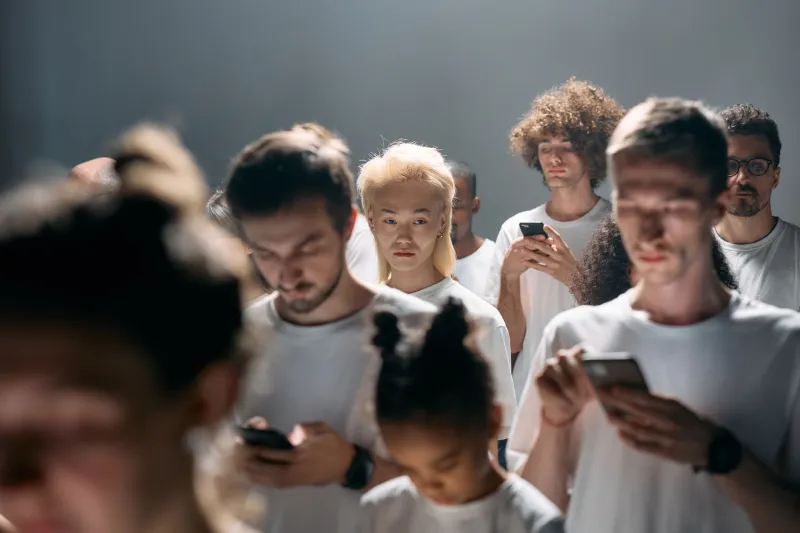
Group chats feel intimate. They're supposed to. The name, the inside jokes, the particular shorthand that develops over months of shared references — all of it creates the illusion of a closed room. But most of us know, somewhere in the back of our minds, that group chats are not actually private spaces. Screenshots exist. People leave and return. The composition shifts. Someone new gets added and suddenly you're performing for an audience you didn't fully consent to.
And even before that happens, even in a group chat that has technically been stable for years, there's a low-level awareness that you're being read. That your tone is being interpreted. That the joke you sent at 11pm is sitting in someone's notification tray, being processed through whatever mood they woke up in. You're not talking to your friends. You're sending a message to your friends' various contexts and states and whatever they need from you on any given day.
This is not how we talk to people we're truly alone with. This is performance. Low-stakes, casual-seeming, but performance nonetheless.
Discord: The New Parlor for Niche Selves
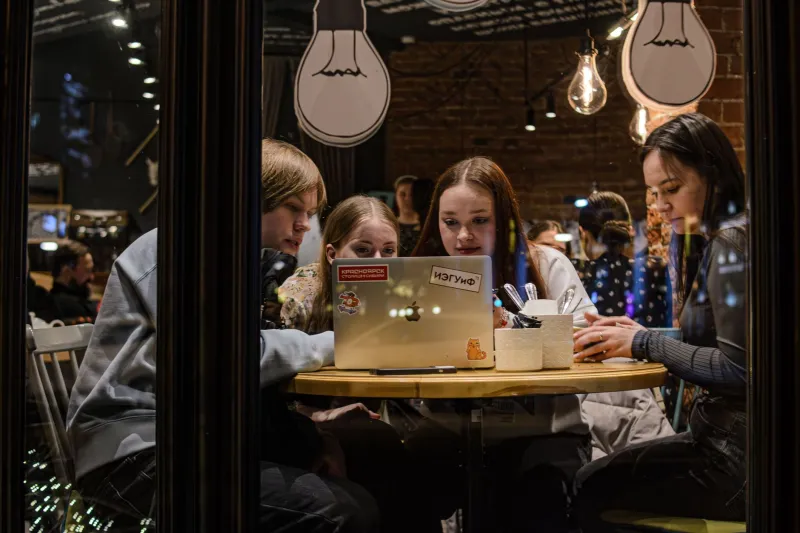
Discord servers were genuinely supposed to be different. The promise of the platform — and it's a promise a lot of people bought into — was that you could find your specific people, your actual community, and exist among them without the performance pressure of more public platforms. No follower counts. No algorithmic visibility. Just a room full of people who are into the same thing you're into.
Except rooms have social dynamics. Servers have hierarchies — the early members, the moderators, the people whose opinions carry weight, the lurkers who never quite become participants. Over time, even the most genuinely niche Discord server develops its own norms about what's acceptable to say, how to say it, what kind of humor lands, and what gets you quietly frozen out. You're not performing for the internet. You're performing for a smaller, more specific audience, which in some ways is more pressure, not less.
The semipublic space is more anxiety-producing than the fully public one precisely because the stakes feel more personal. Getting ratioed on Twitter by strangers is uncomfortable. Getting subtly frozen out of a Discord server by people you've talked to every day for two years is devastating.
The Workout Class Problem
Let's talk about the workout class, because it is one of the purest examples of the semipublic performance trap in physical space. You are there, ostensibly, to exercise. To move your body and sweat and not think about anything else for forty-five minutes. But you are also being watched, and you know it, and the instructor knows it, and the whole social architecture of the room is designed around that awareness.
The mirror is not there for form correction. The mirror is there because the performance requires an audience, and sometimes you have to be your own. The playlists, the curated lighting, the instructor's practiced energy — all of it is staging. And the people around you, who you don't know and will probably never speak to, are nevertheless part of your experience in a way that makes it impossible to fully disappear into the physical act of moving.
SoulCycle understood this explicitly and built an empire on it. But even in a regular gym class at your local Y, the dynamic is present. You are in a room with people. You are being perceived. You are, on some level, managing that perception. This is not rest. This is a different kind of work.
Instagram Stories and the Performance of Casualness
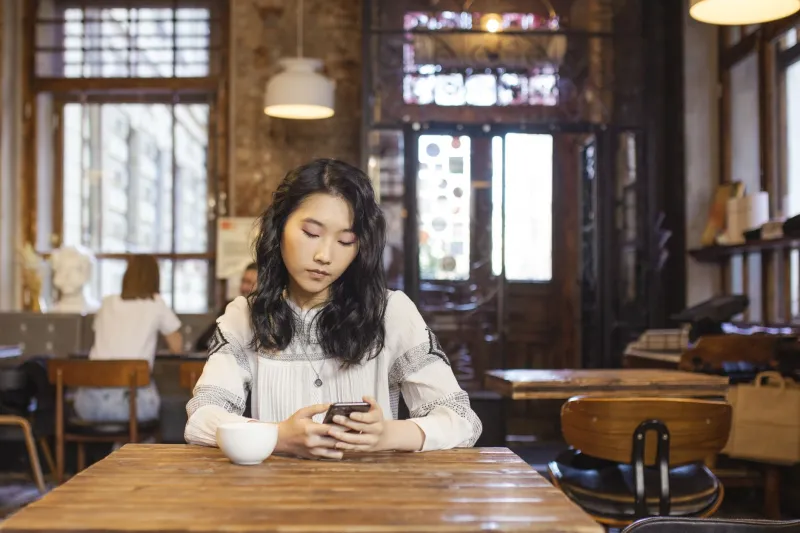
The genius and the curse of Instagram Stories is that they were designed to feel throwaway. Twenty-four hours and then gone. No permanent record, no pressure, just a quick glimpse into the actual texture of your day. Which is why it's so interesting that most people spend a non-trivial amount of time thinking about what to post on them.
The casual-seeming Story is often the most labored. The here's what I'm reading shot requires you to be reading something worth photographing. The just a regular Saturday montage requires you to be having a Saturday that looks like what a good Saturday looks like. The "no filter" photo requires knowing which of your no-filter photos looks like a no-filter photo that someone who looks good without filters would post.
This is not cynicism. This is just the logic of the semipublic space operating exactly as designed. You're not lying. You're curating. And curation, even gentle, even well-intentioned, is a performance.
Learning to Exist Without an Exit Strategy
The question is not how to escape the semipublic space — it's everywhere now, and opting out entirely is its own kind of performance. The question is whether we can develop a healthier relationship with the awareness of being perceived.
Some people have gotten very good at this. They post the mediocre photo. They send the message that doesn't land perfectly. They show up to the workout class and stare at the floor. They exist in the group chat without managing their persona. It looks easy from the outside, and it is genuinely difficult to do.
The parlor was always a performance space. The difference is that we used to be able to close the door and leave. Now the door is a concept, and the room follows us home.