Stop Apologizing for Your Taste: The Guilty Pleasure Is Dead and Good Riddance
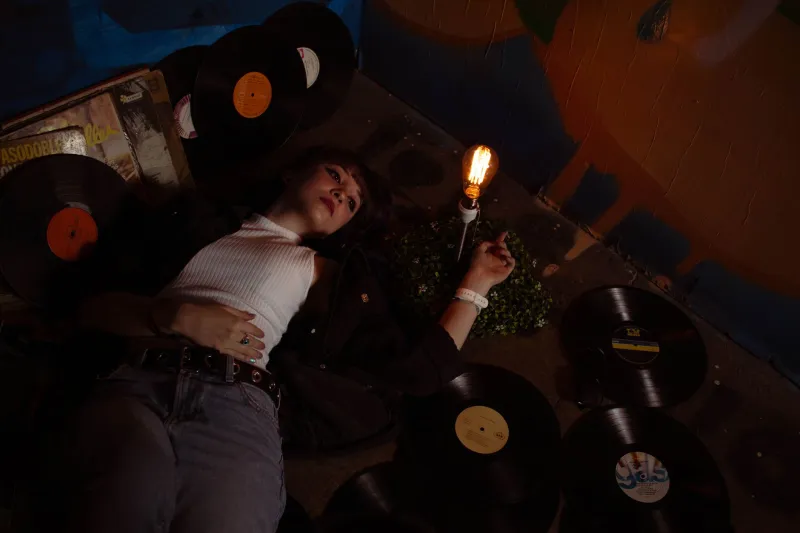
There used to be a script. You'd mention that you spent the whole weekend rewatching The Bachelor or that you had a Nickelback song stuck in your head, and before anyone could react, you'd already beaten them to the punchline. I know, I know. Don't judge me. The preemptive cringe. The ironic distance. The little ritual sacrifice of your own sincerity, offered up to protect yourself from a judgment that might not have even been coming.
That script is dying. And honestly? It's about time.
The Armor We Never Needed
The concept of the "guilty pleasure" has always been a class project dressed up as a personality trait. The whole architecture of it — the idea that some entertainment is elevated and some is beneath us — came from a cultural hierarchy that decided, largely without our input, which things counted as serious and which things were junk. Opera counted. Pop music didn't. Literary fiction counted. Romance novels didn't. Prestige television counted. Love Island absolutely did not.
But here's what that framework was actually doing: it was making people perform sophistication instead of experience joy. You weren't allowed to simply like something. You had to like it correctly, or you had to apologize for liking it wrong. Either way, your actual emotional experience — the genuine delight, the comfort, the pleasure — was secondary to how your taste reflected on you as a person.
The irony-soaked defensiveness that defined millennial fan culture was a survival mechanism. It was easier to say this is so bad it's good than to say this is genuinely good to me and I don't care what you think. The second statement required a kind of vulnerability that the internet, for a long time, absolutely punished.
TikTok Changed the Room
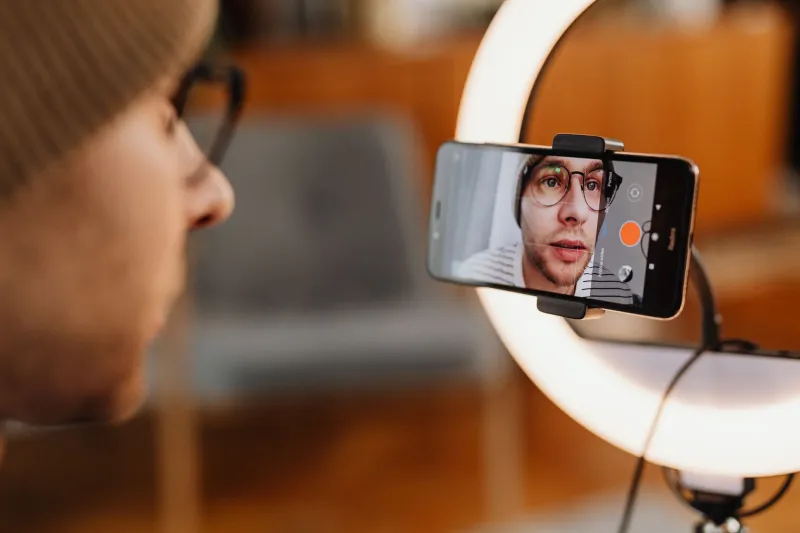
Something shifted, and a lot of it has to do with how cultural conversation moved. When TikTok became the dominant space for talking about entertainment, it brought with it a different set of social norms. The platform rewards specificity and genuine enthusiasm in a way that Twitter's irony economy never did. A thirty-second video of someone losing their mind over a mid-2000s pop song doesn't have room for a disclaimer. The joy is the content.
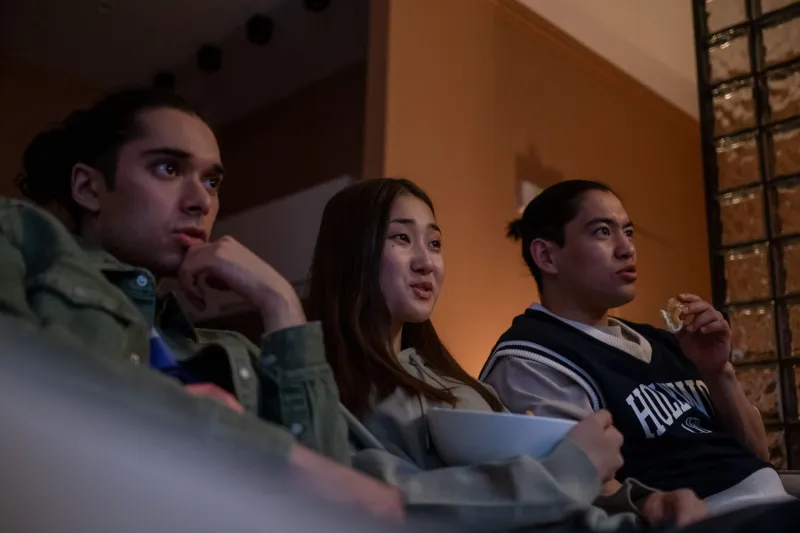
And what happened when people started posting that kind of unguarded enthusiasm? Other people — thousands of them — showed up to say same. The comment sections on these videos read less like cultural debate and more like a support group for people who have been quietly loving things in secret for years. Turns out, the shame was always more about isolation than actual judgment. When you find out that forty thousand other people also cry at that one Grey's Anatomy scene, the guilt evaporates pretty fast.
Discord communities have done something similar but at a slower, more intimate scale. When you're in a server specifically dedicated to, say, competitive reality television or a band that critics have spent twenty years dunking on, you're no longer the weird one. You're among your people. The niche becomes the norm, and the norm doesn't require an apology.
The Streaming Effect Nobody Talks About Enough
Niche streaming has also quietly dismantled the old hierarchy in a very practical way: it made the junk incredibly easy to access and incredibly hard to stigmatize. When Hallmark Christmas movies have their own dedicated streaming platform and it has millions of subscribers, when Real Housewives has more active fandom infrastructure than most prestige dramas, the argument that these things are somehow beneath real cultural attention starts to collapse under its own weight.
The audience numbers don't lie. People were always watching this stuff. They were just lying about it at dinner parties. What's changed isn't the consumption — it's the willingness to cop to it in public.
Enthusiasm as a Radical Act
There's something genuinely countercultural happening here, even if it doesn't look like it from the outside. In an attention economy that rewards hot takes and contrarianism, saying I just really love this thing, no notes is actually a kind of resistance. It refuses the game. It declines to perform sophistication or ironic detachment. It insists that your actual, uncurated emotional response to a piece of culture is worth something — worth sharing, worth defending, worth taking seriously.
Younger audiences, particularly Gen Z, seem to understand this intuitively. The concept of a "guilty pleasure" doesn't fully translate for a generation that grew up watching YouTube creators build entire careers out of sincere, obsessive enthusiasm for things that older critics would have dismissed without a second glance. When your favorite creator does a three-hour deep dive on a forgotten early-2000s reality show and treats it with the same care as a dissertation, it reframes what counts as worthy of attention.
This isn't about pretending everything is equally good. A song can be objectively simple and still move you. A reality show can be formulaic and still be appointment television. Acknowledging craft and acknowledging pleasure are not the same conversation, and we've been confusing them for too long.
The Pleasure Was Never the Problem
What the guilty pleasure framework was really policing wasn't taste — it was class anxiety, cultural gatekeeping, and the very human fear of being judged by the wrong people for the wrong reasons. The guilt was never really about the thing itself. It was about what liking the thing said about you, in a culture that used taste as a proxy for intelligence, sophistication, and social worth.
Letting go of that isn't naive. It's actually more honest. It admits that culture doesn't sort neatly into worthy and unworthy, that pleasure is a legitimate response that doesn't need justification, and that the energy we spent apologizing for what we loved could have been spent just... loving it.
So the next time someone asks what you've been watching, what you've been listening to, what you've been obsessing over — just tell them. Without the disclaimer. Without the cringe face. Without the I know, I know.
You don't owe anyone an apology for where you found your joy.